Understanding Tax Compliance: A Guide for Charlotte Residents


Introduction to Tax Compliance
Understanding tax compliance is crucial for all residents, especially those living in Charlotte, where local and state tax regulations can be complex. Navigating these rules effectively can save you from unnecessary penalties and ensure you're contributing appropriately to the community's growth.
The Importance of Being Tax Compliant
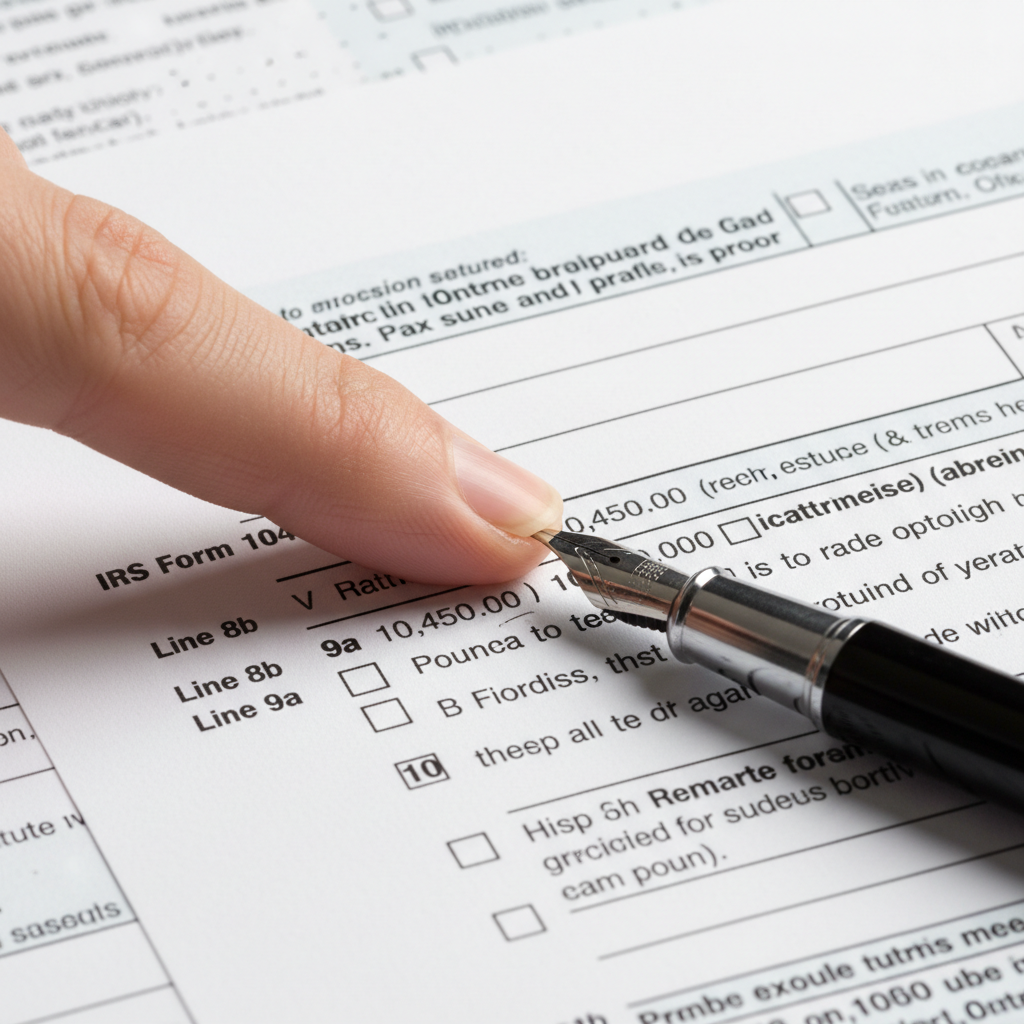
Tax compliance refers to the process of filing tax returns accurately and on time, as well as paying the correct amount of taxes due. For Charlotte residents, being tax compliant means adhering to both state and local tax laws. This compliance not only keeps you in good legal standing but also helps in the development of public services and infrastructure.
Consequences of Non-Compliance
Failing to comply with tax regulations can result in severe penalties, including fines and interest on unpaid taxes. In some cases, it might lead to legal action or damage to your credit score. It's crucial to stay informed and proactive in managing your tax obligations.
Understanding Local Tax Obligations
In Charlotte, residents are subject to various local taxes, including property taxes, sales taxes, and sometimes, city-specific taxes. It's essential to understand these obligations to ensure full compliance. The revenue generated from these taxes supports local services such as schools, transportation, and emergency services.
Property Taxes
Property taxes are a significant source of revenue for local governments in Charlotte. These are based on the assessed value of your property and are used to fund public services. Staying updated with property tax rates and payment deadlines is crucial for homeowners.

Filing Your Taxes
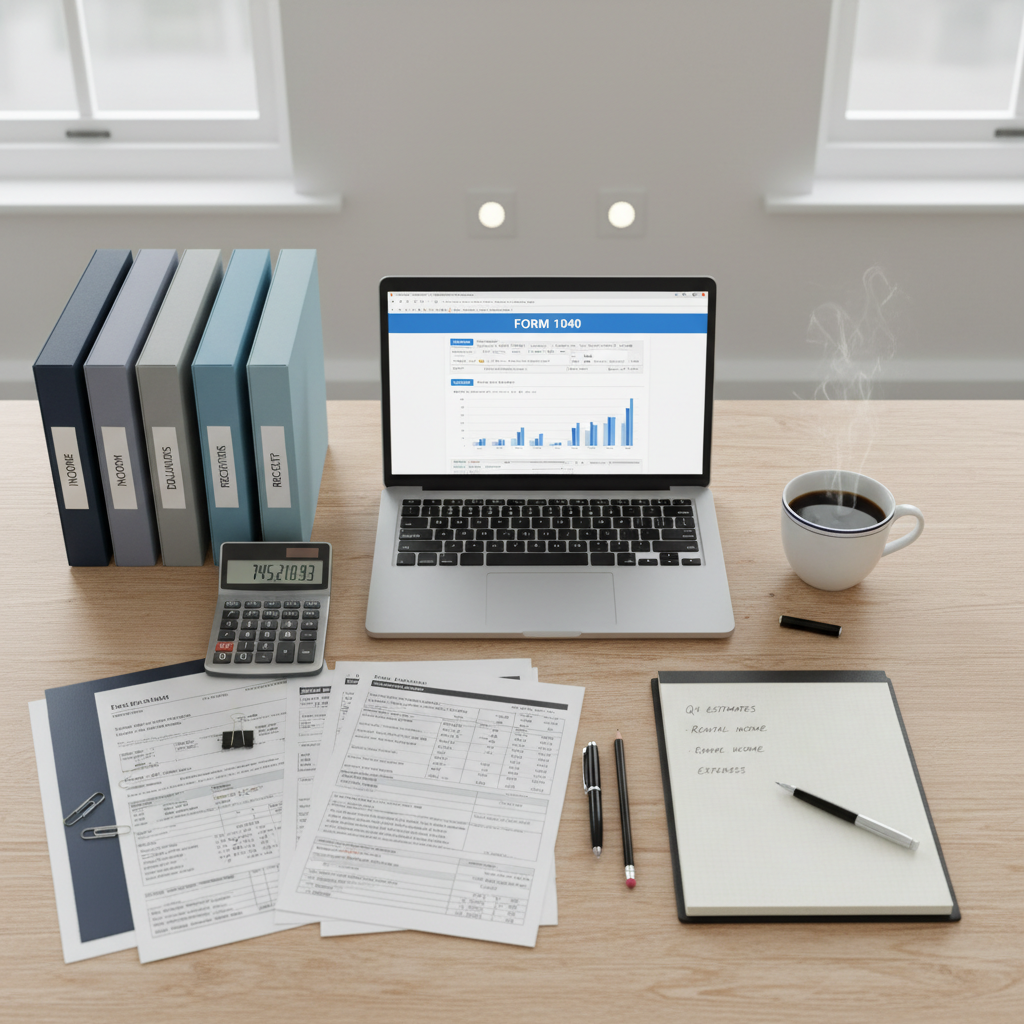
Filing taxes can seem overwhelming, but understanding the process can simplify it. Residents of Charlotte may be required to file both state and federal tax returns. It's advisable to gather all necessary documents, such as W-2s, 1099s, and receipts for deductions, before starting the filing process.
Using Tax Software or Professionals
Many people choose to use tax software or hire a tax professional to ensure accuracy and compliance. These resources can help you navigate deductions, credits, and ensure you're paying the correct amount. For those with complex financial situations, professional advice can be invaluable.
Staying Informed and Prepared
Tax laws and rates can change, so it's important to stay informed. Regularly checking updates from the IRS and local tax authorities can help you remain compliant. Additionally, setting reminders for tax deadlines can prevent last-minute stress and potential penalties.
Conclusion
Understanding and adhering to tax compliance is an essential responsibility for Charlotte residents. By staying informed and utilizing available resources, you can ensure that your taxes are handled correctly and efficiently, contributing positively to the community while avoiding unnecessary penalties.