How to Ensure Compliance and Accuracy in Your Tax Filing


Understanding the Importance of Compliance
Ensuring compliance with tax regulations is crucial for individuals and businesses alike. Not only does it protect you from potential fines and legal issues, but it also helps in maintaining a good financial standing. Staying informed about the latest tax laws and regulations is essential to avoid any discrepancies in your filings.
Accurate tax filing is a responsibility that requires attention to detail and an understanding of your financial landscape. Proper compliance ensures that you are paying the correct amount of taxes, neither overpaying nor underpaying, which could lead to audits or penalties.
Organizing Your Financial Documents
Gathering Necessary Documentation
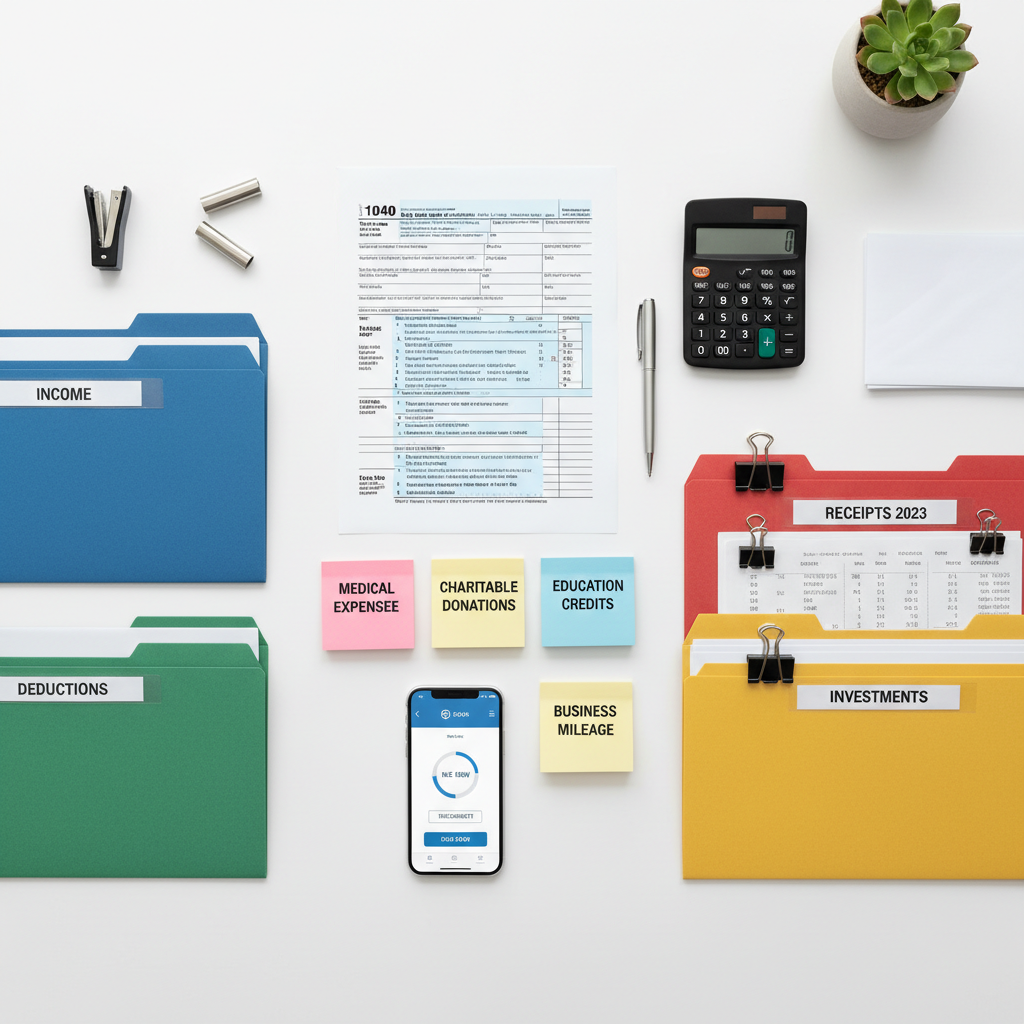
One of the first steps in ensuring accuracy in tax filing is organizing your financial documents. Collect all relevant paperwork, such as income statements, receipts, and any other documents that reflect your financial transactions for the year. Having these documents readily available will make the filing process smoother and more accurate.
Utilizing Digital Tools
Consider using digital tools and software to organize and store your financial documents. Many tax preparation software options offer features that help you track income and expenses, making it easier to compile the necessary information for filing. Digital tools can also assist in reducing human errors, ensuring that your tax return is as accurate as possible.
Consulting with Tax Professionals
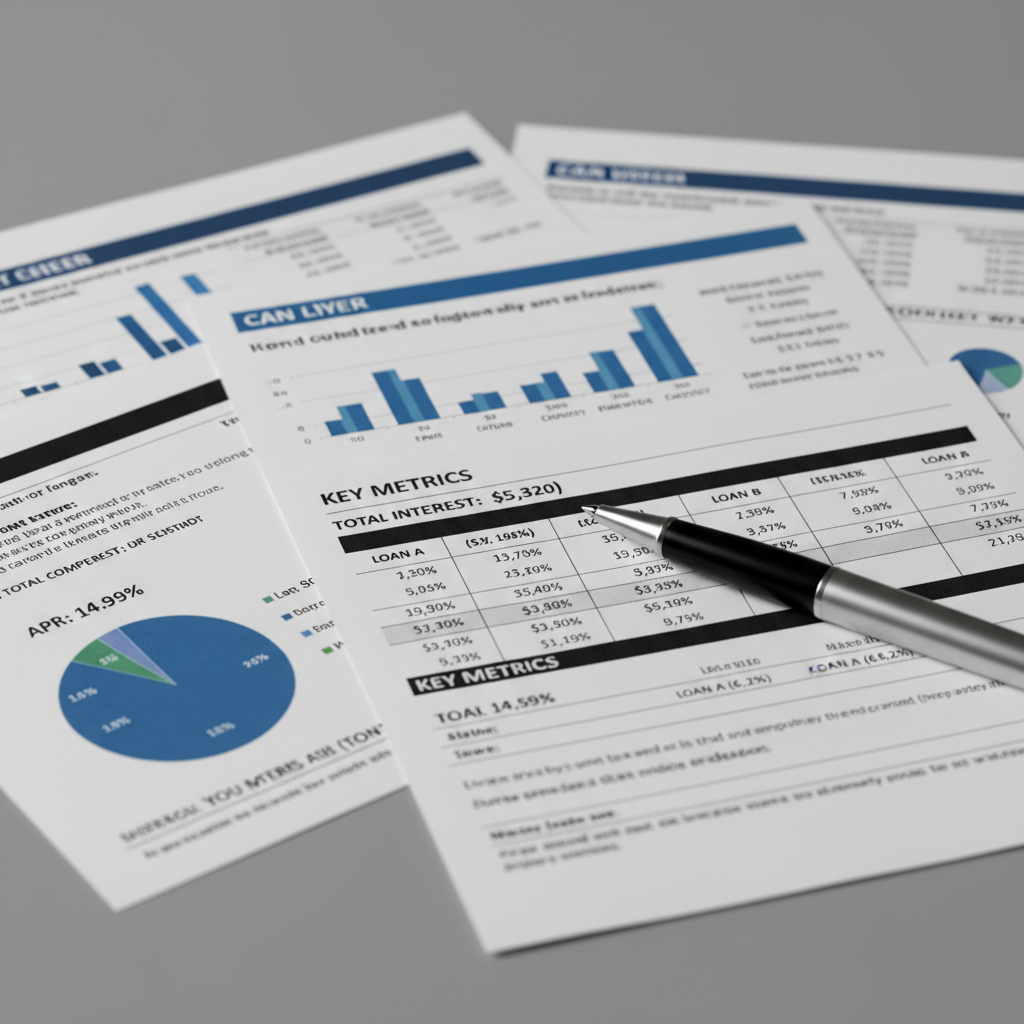
When in doubt, consulting with a tax professional can provide clarity and guidance. Tax professionals are well-versed in the latest regulations and can offer advice tailored to your specific situation. They can help in identifying deductions and credits you may qualify for, ensuring that you are not missing out on potential savings.
Working with a professional can also provide peace of mind, knowing that your tax filing is being handled by an expert. This is especially beneficial for those with complex financial situations or businesses with multiple revenue streams.

Double-Checking Your Tax Return
Reviewing for Errors
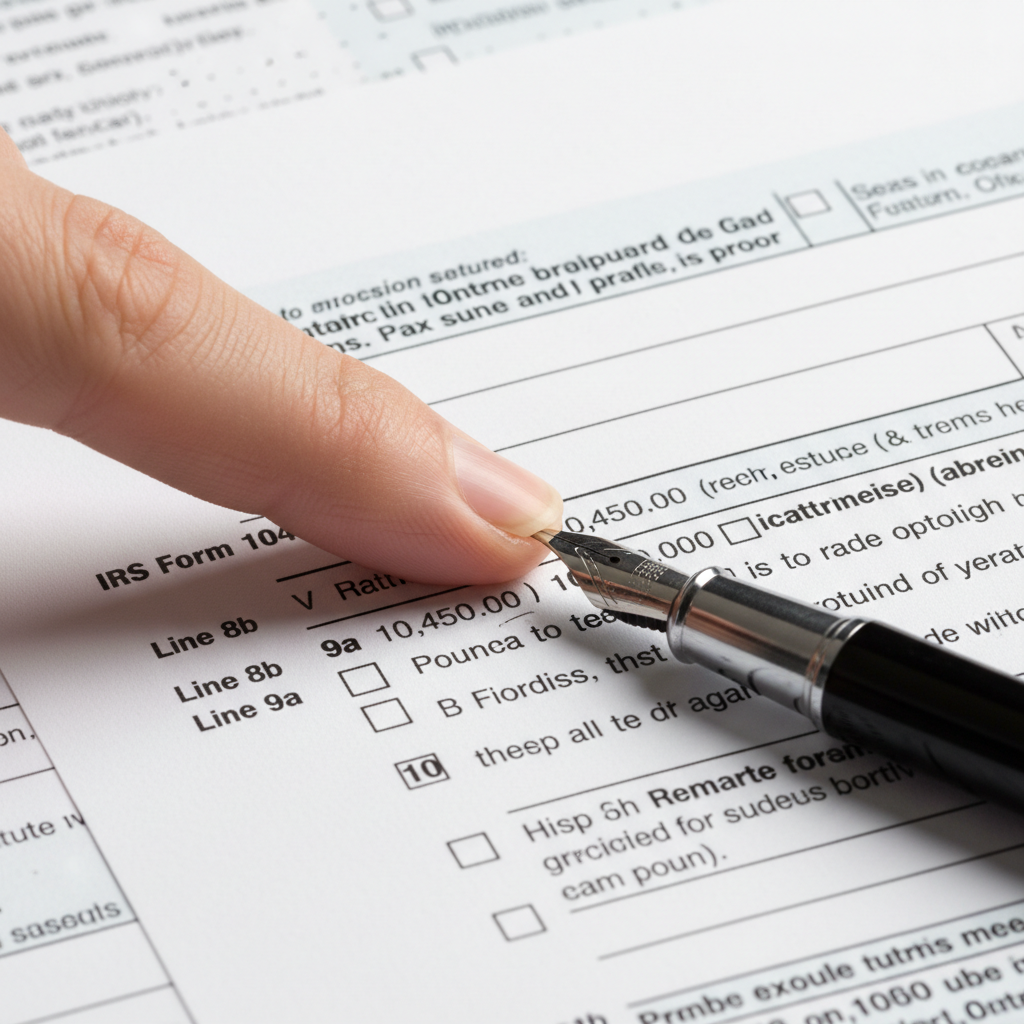
Before submitting your tax return, double-check all entries for accuracy. Common errors include incorrect Social Security numbers, misspelled names, or incorrect figures. Taking the time to review your return can prevent future headaches and potential audits.
Using Tax Software Checks
Most tax preparation software includes built-in checks that alert you to potential errors or omissions. Utilize these features to ensure that your return is complete and accurate. These software checks are designed to catch common mistakes that could otherwise go unnoticed.
Filing on Time
Timely filing is a key component of compliance. Missing the deadline can result in penalties and interest charges. Mark your calendar with important tax deadlines and set reminders to ensure that you file on time. If you anticipate needing more time, consider requesting an extension to avoid last-minute stress.
By following these guidelines, you can ensure that your tax filing process is both compliant and accurate. Staying organized, seeking professional advice, and utilizing technology will help you navigate the complexities of tax season with confidence.