End-of-Year Financial Planning Advice: Maximize Your Returns


Understanding Your Current Financial Situation
As the year draws to a close, it's crucial to take stock of your financial health. Begin by evaluating your current financial situation. Review your income, expenses, and any outstanding debts. This analysis will provide you with a clear picture of where you stand financially and help you identify areas for improvement.
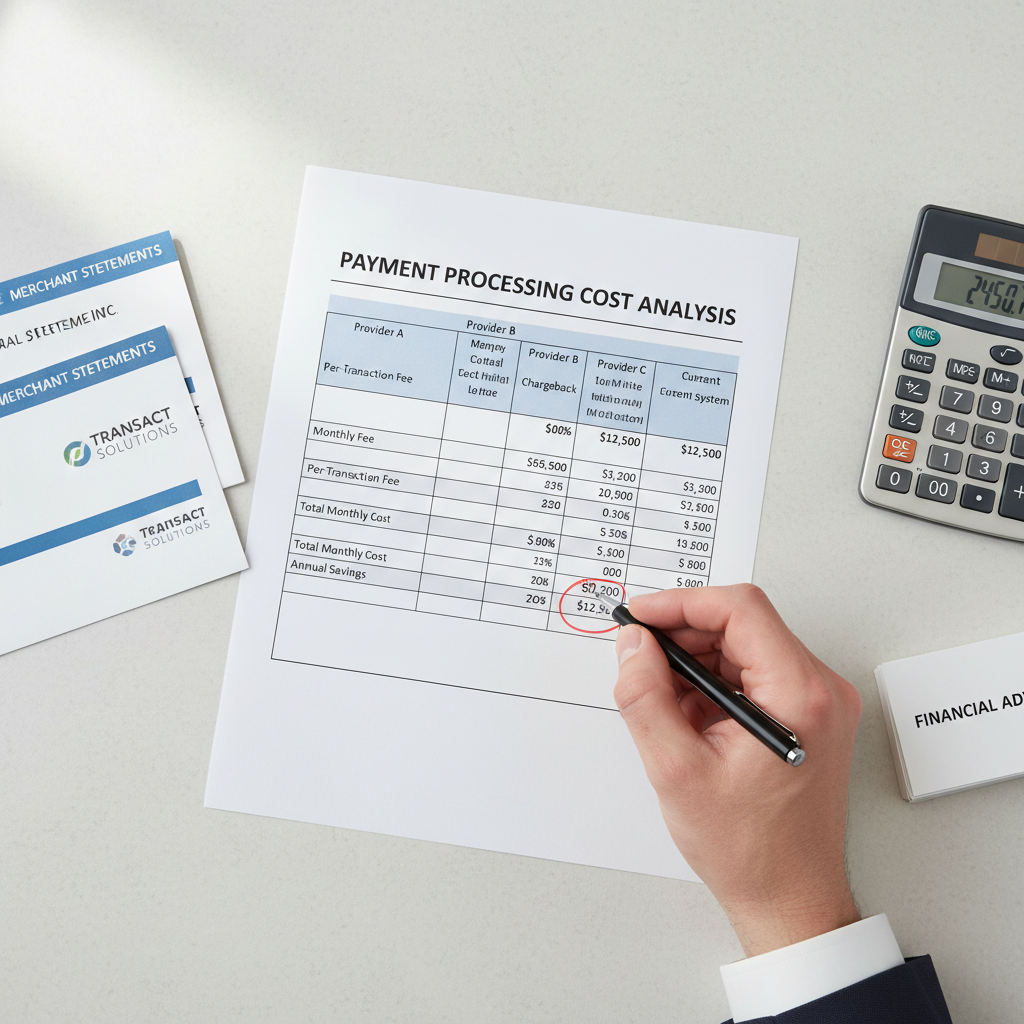
Next, consider your financial goals. Whether it's saving for a new home, planning for retirement, or building an emergency fund, having clear objectives will guide your end-of-year financial planning efforts. Set SMART (Specific, Measurable, Achievable, Relevant, Time-bound) goals to ensure they are realistic and attainable.
Optimize Your Investment Portfolio
Maximizing your returns often involves rebalancing your investment portfolio. Over the year, market fluctuations may have shifted your asset allocation. Consider evaluating your investment portfolio to ensure it aligns with your risk tolerance and financial goals. This might involve selling overperforming assets and buying undervalued ones to maintain your desired balance.

In addition, explore tax-efficient investment options. Tax-loss harvesting, for example, allows you to offset gains by selling securities at a loss. This strategy can reduce your tax liability and improve your after-tax returns. Consult with a financial advisor to determine the best approach for your situation.
Tax Planning Strategies
Effective tax planning is a key component of maximizing your returns. As the year ends, review your tax situation to identify opportunities for deductions and credits. Contributing to retirement accounts like a 401(k) or IRA can reduce your taxable income and potentially increase your tax refund.

Consider making charitable donations before the end of the year. Not only do these contributions support worthy causes, but they may also provide valuable tax deductions. Ensure you maintain proper documentation for any donations to claim them on your tax return.
Review Insurance Coverages
An often-overlooked aspect of financial planning is reviewing your insurance policies. Ensure you have adequate coverage for health, home, auto, and life insurance. As your life circumstances change, your insurance needs may also change. Adjusting your coverage can protect your assets and provide peace of mind.
Create a Budget for the New Year
Finally, prepare a budget for the upcoming year. A well-structured budget will guide your spending and savings, helping you achieve your financial goals. Start by listing your expected income and fixed expenses, then allocate funds for variable expenses and savings. Regularly reviewing and adjusting your budget will keep you on track throughout the year.

By implementing these end-of-year financial planning strategies, you can maximize your returns and set yourself up for a successful financial future. Remember, the key to effective financial planning is staying informed and proactive. Take the time now to plan, and you’ll reap the benefits in the years to come.